
Akt(uell)
Group exhibition with works by Myriam Gross Mall and Manzur Kargar
Friday, September 5 to Saturday, October 25, 2025
Some time ago, a statue was removed from the foyer of the Federal Office for Central Services in Berlin-Weißensee in a cloak-and-dagger operation: a bronze cast of the Venus Medici, a 2,000-year-old nude figure considered one of the most important figures in art history. The reason given for its removal was that it was perceived as sexist. The statue was then loaned to the Grassi Museum in Leipzig.
According to art historian Horst Bredekamp, the purpose of a work of art is to fulfil different expectations and allow for interpretation. Art therefore enjoys special protection in the constitution. The removal of a historical figure such as the Venus Medici is an attack on the freedom of art and the beginning of a new iconoclasm, Bredekamp said in the FAZ.
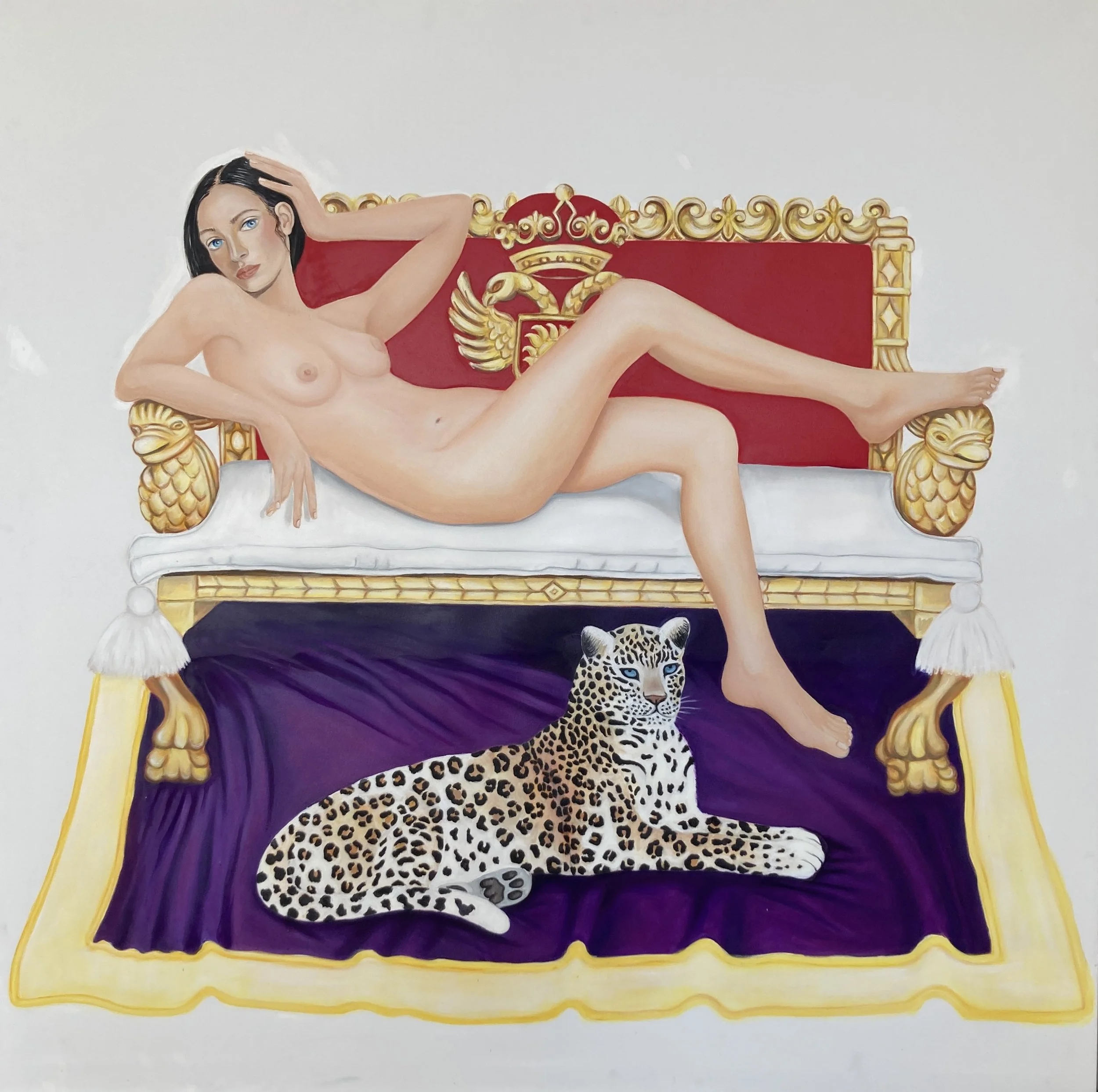
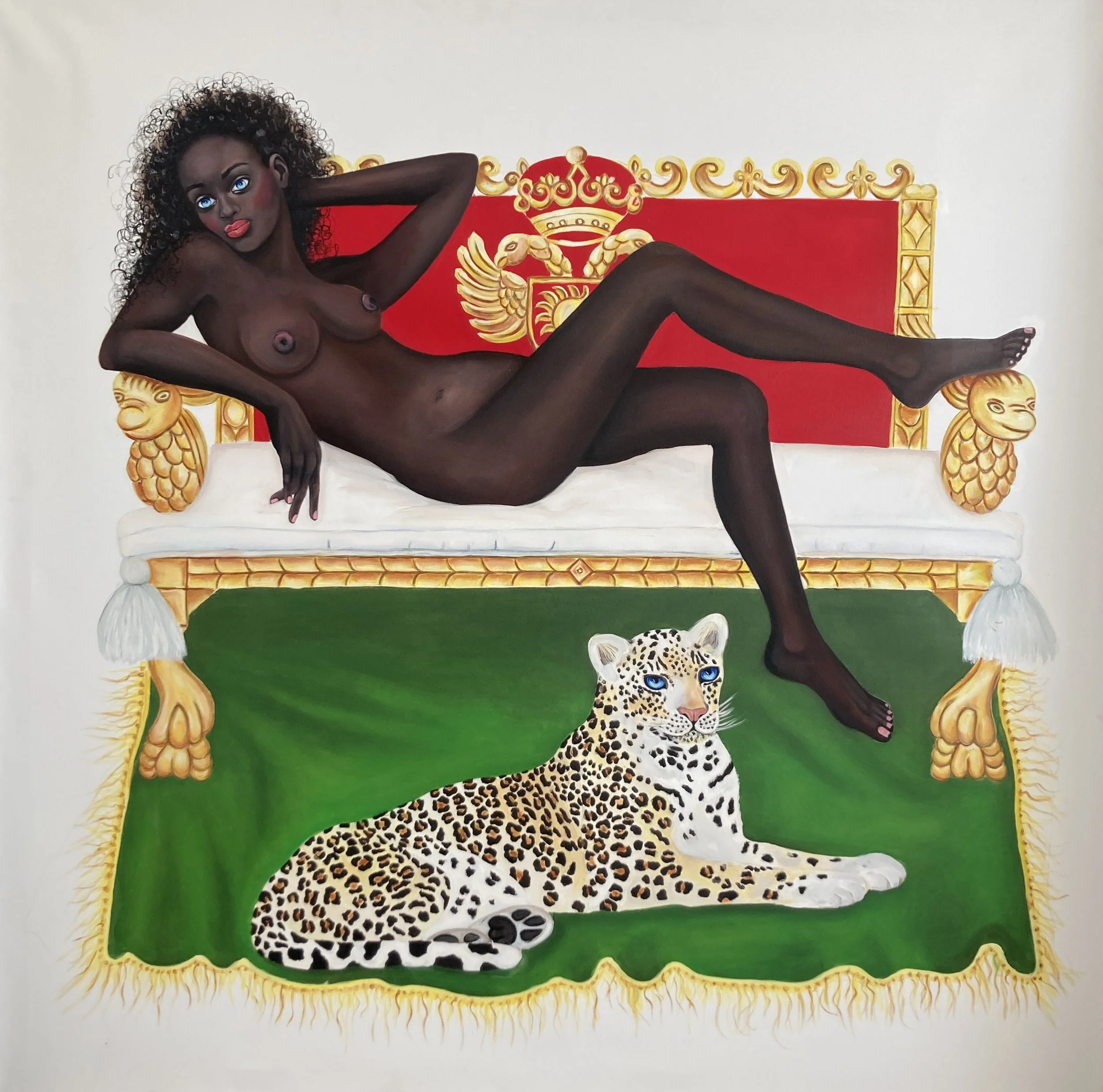
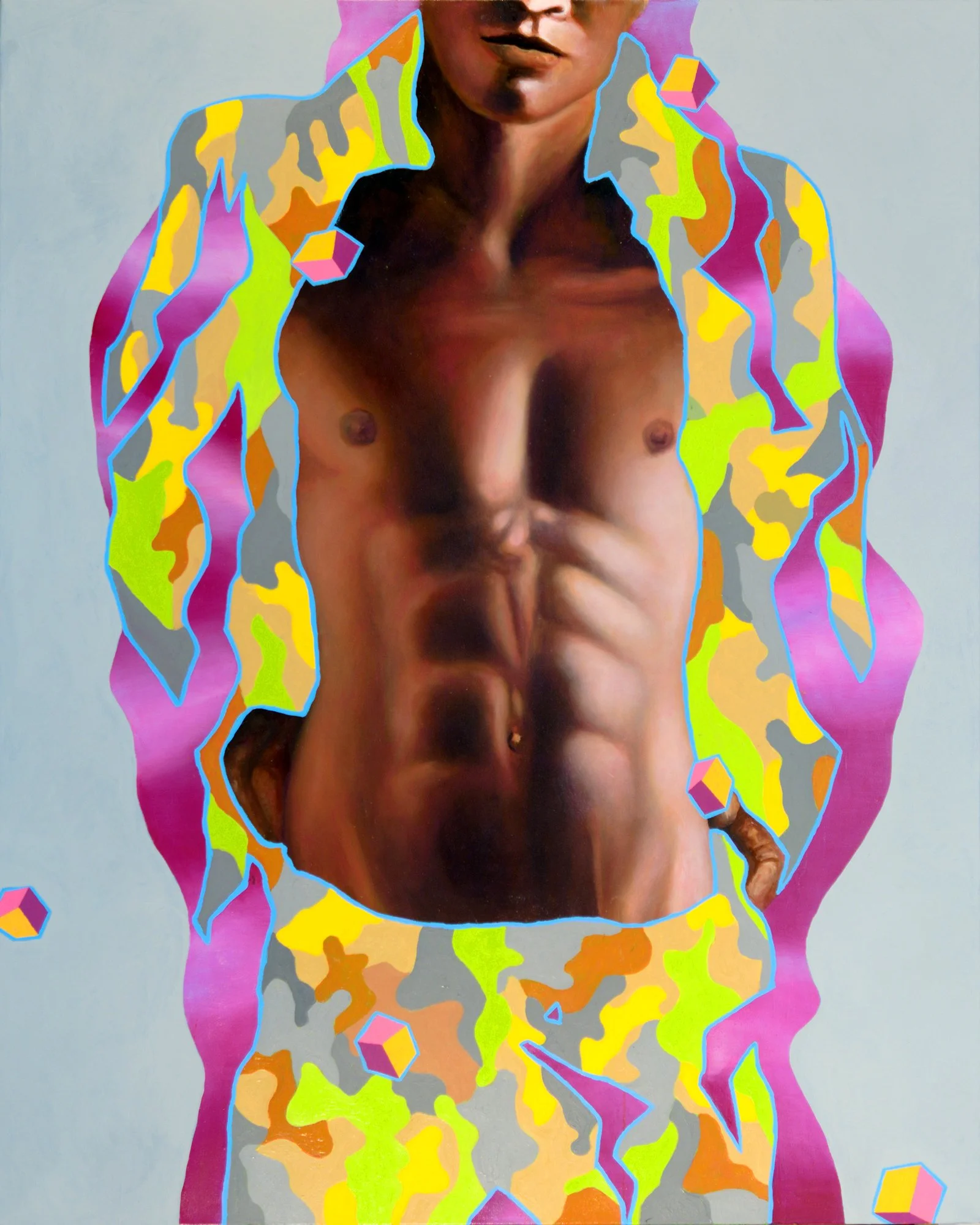
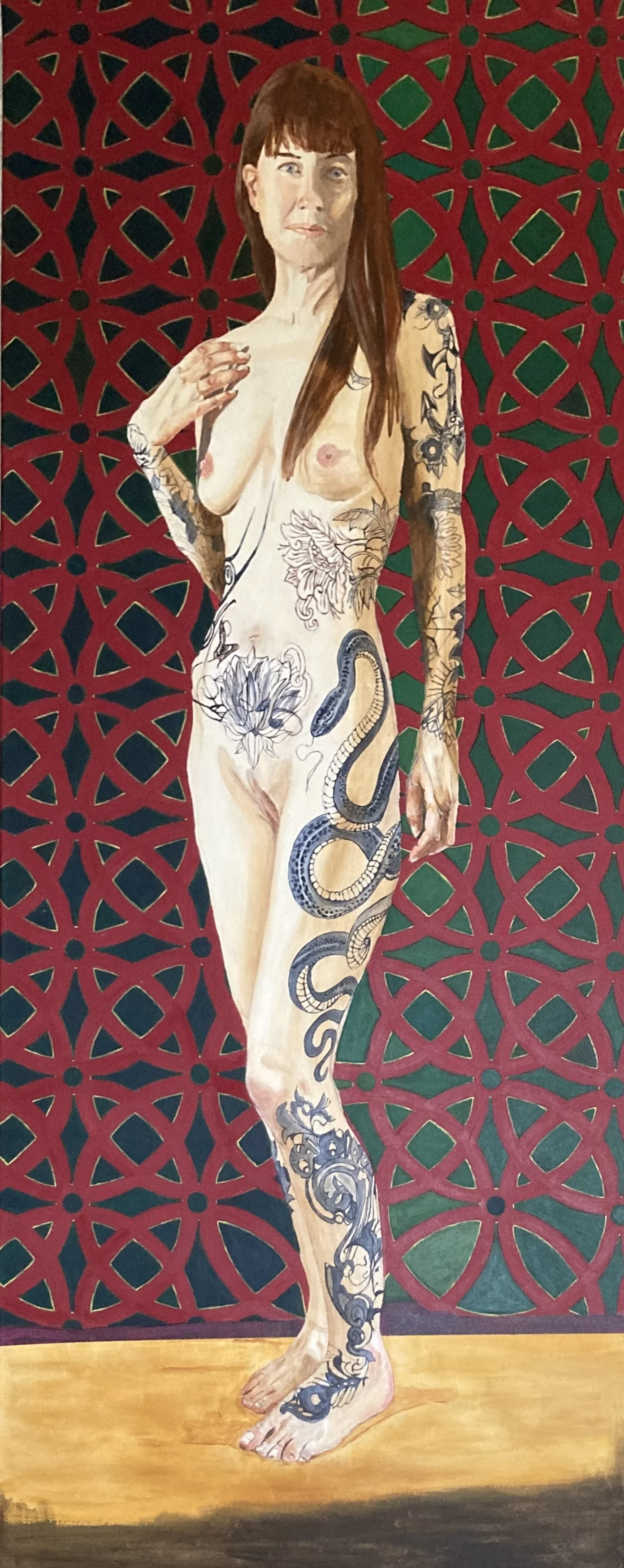
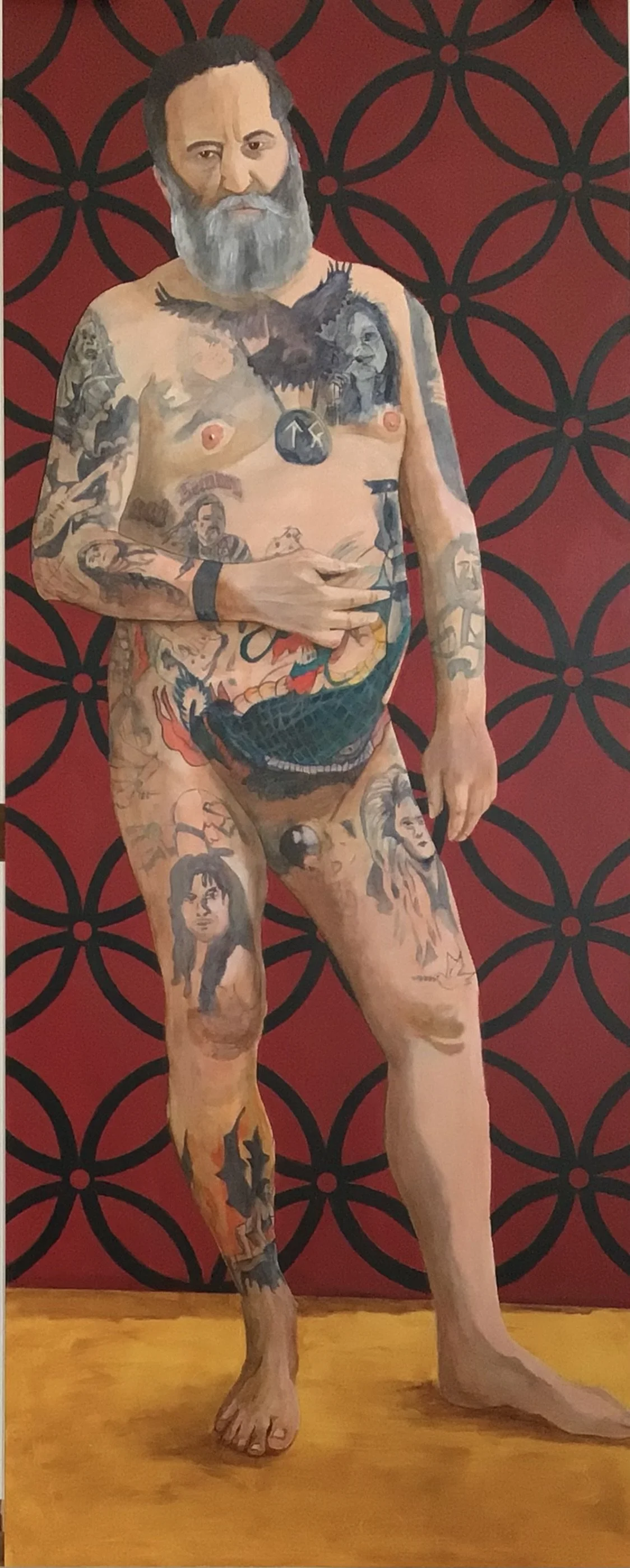
In this context, the C&B Reichert Galerie is showing three contemporary artists who deal with the naked human body in their paintings. Their works take up the iconographic heritage of Venus, but question the classical ideal of beauty and develop it further.
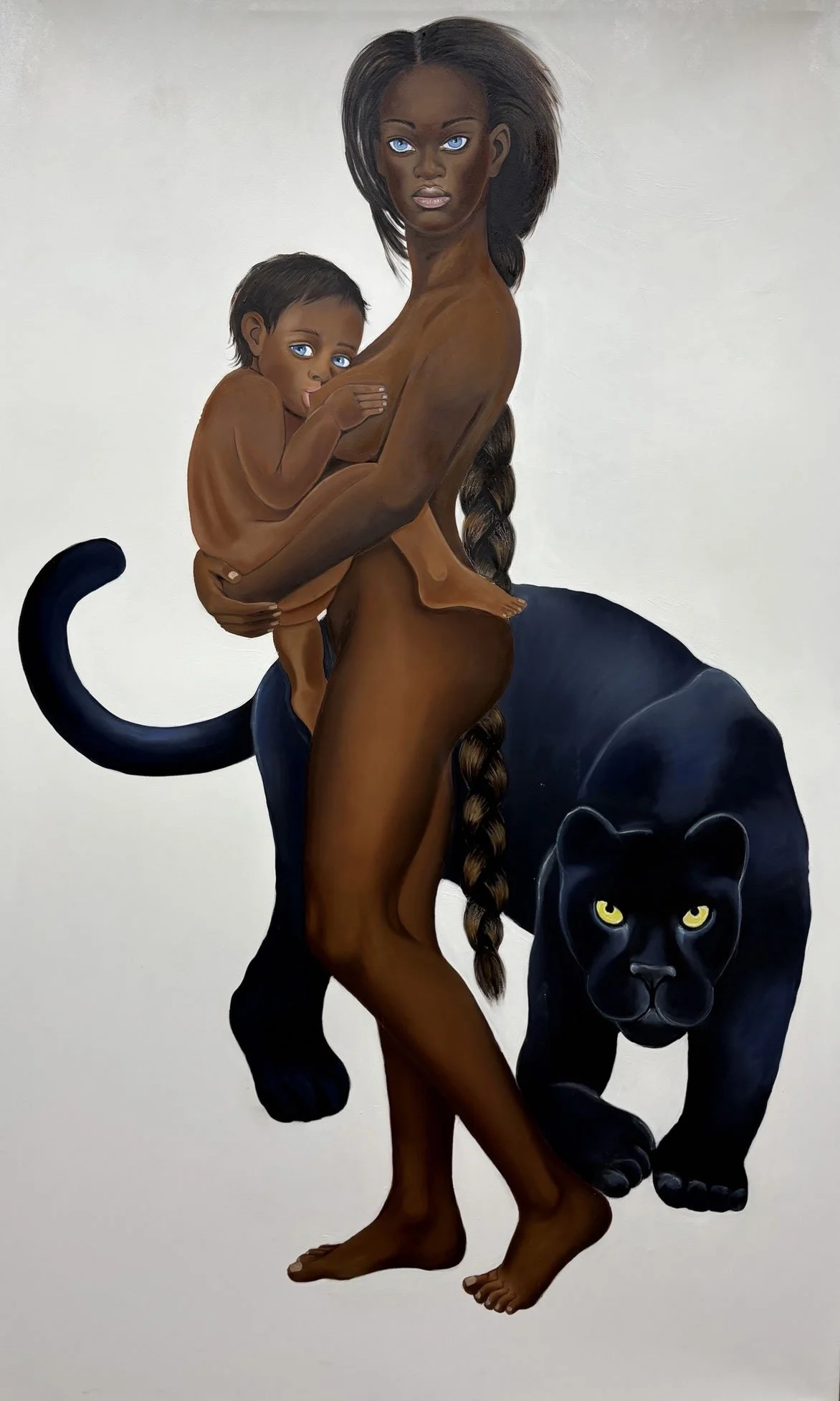
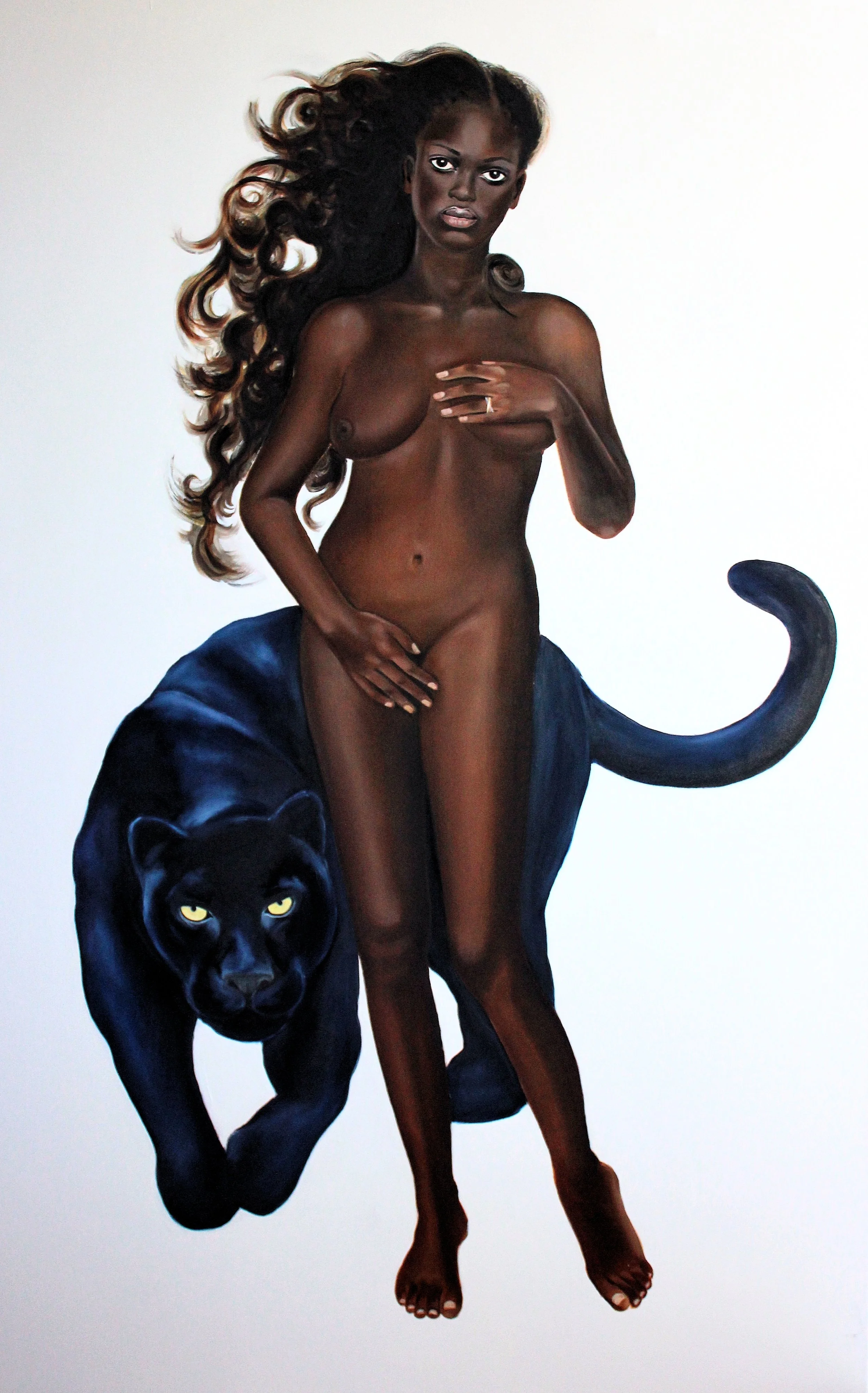
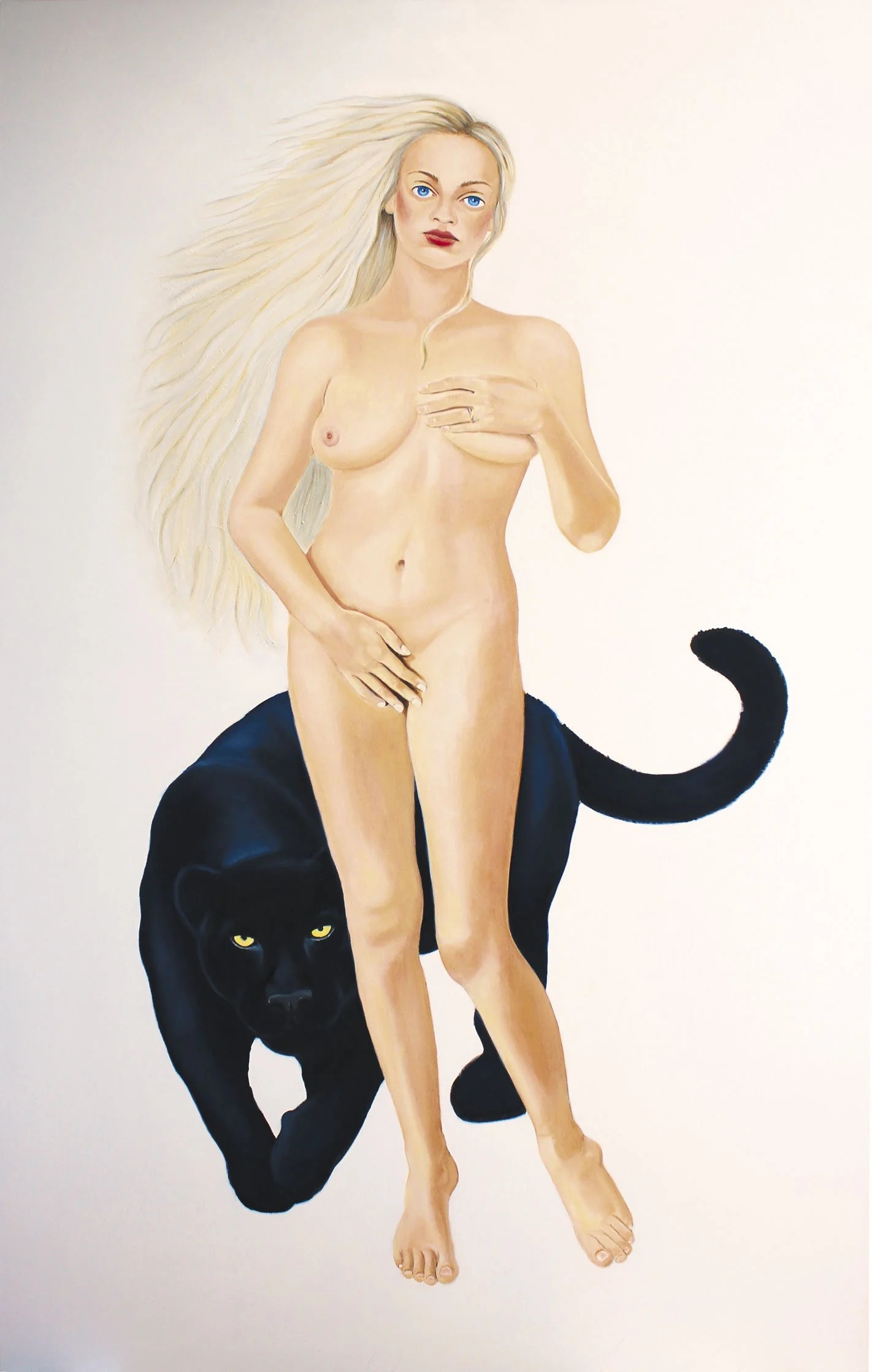
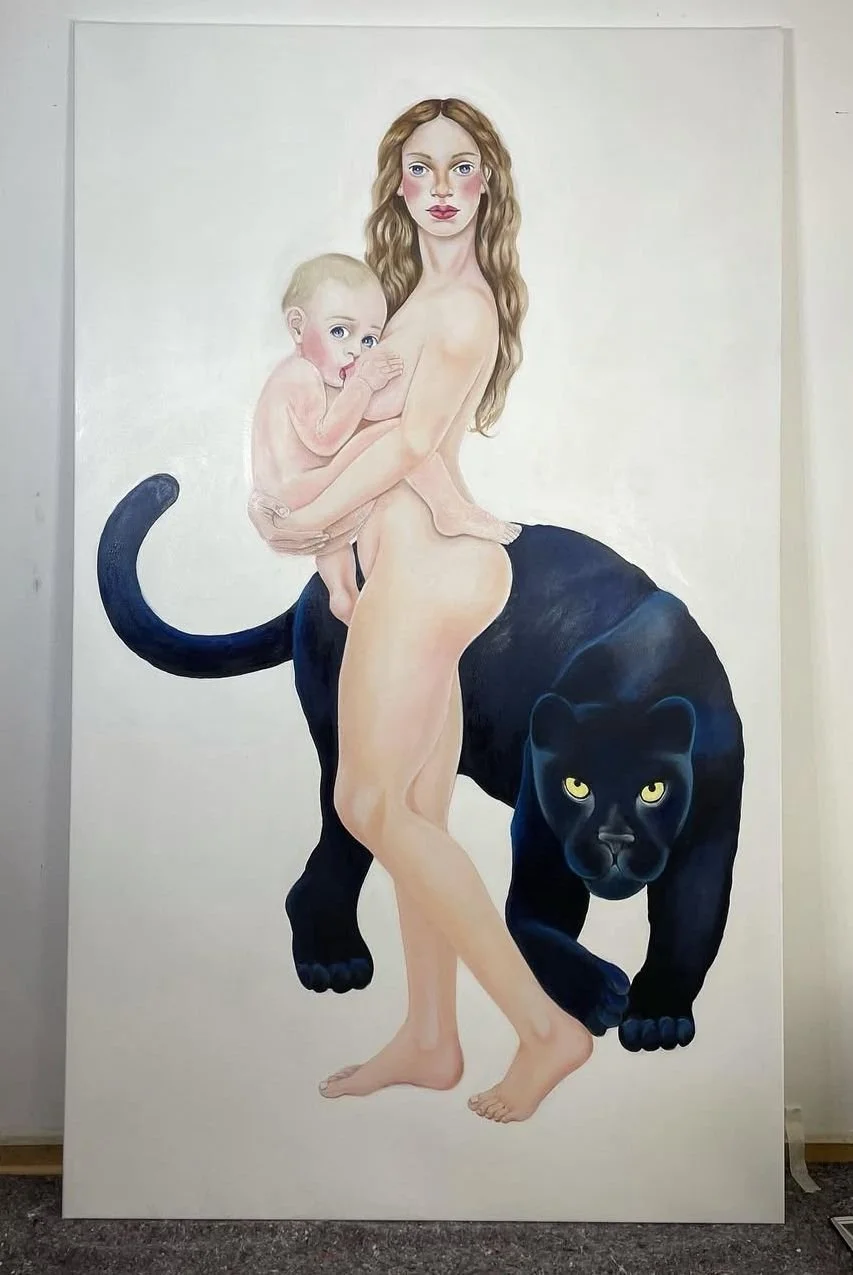



Bios
Myriam Gross Mall was born into an artistic family in Switzerland. She grew up in Switzerland and Germany. Therefore, from a very early age she was committed to arts. Nevertheless she studied Law in Basel and the US and became a lawyer. In 2014 she started studying fine arts at the "Freie Kunstakademie" Mannheim in Germany. A master student of Michael Witlatschil, she graduated in 2018. Currently she is living and working in Berlin.
Manzur Kargar was born in Kabul, Afghanistan, in 1965 and moved to Germany with his family at the age of five, where he grew up in West Berlin. He studied painting at the Braunschweig University of Art (HBK) and at the Berlin University of the Arts (UdK). Since 1992, Kargar has lived and worked in Berlin, with extended working stays in Los Angeles and New York. Kargar's artistic career began with an exploration of classical art, particularly Greek antiquity. Over time, his focus shifted to contemporary pop culture, integrating elements from advertising, glossy magazines and digital media into his works. His hyperrealistic oil paintings are characterised by a combination of traditional painting techniques and digital imagery, addressing the aesthetics and superficiality of modern media society. Kargar's works have been presented internationally in solo and group exhibitions and are represented in renowned collections such as the Berlinische Galerie, the Capelouzos Art Museum in Athens and the Volkswagen Collection.